استشارة المنتج
لن يتم نشر عنوان بريدك الإلكتروني. الحقول المطلوبة محددة *

 إنجليزي

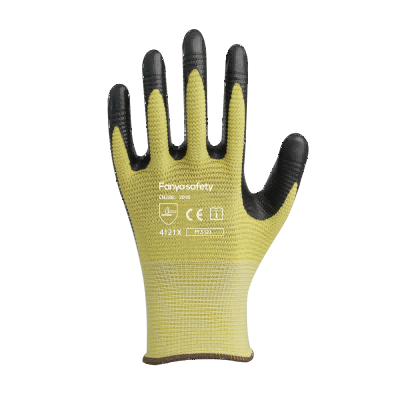
If you regularly wear nitrile gloves for work or medical use, wearing a thin cotton glove liner underneath is the most practical and widely recommended solution. Cotton liners absorb sweat, reduce friction, and create a breathable barrier between your skin and the glove material. For most people dealing with prolonged glove use — whether in healthcare, food service, laboratory settings, or industrial environments — a lightweight cotton or bamboo liner addresses the majority of comfort and skin-health concerns without compromising dexterity or grip.
That said, not every situation calls for the same approach. Skin conditions, work environment temperature, the duration of glove wear, and the specific tasks being performed all influence what you should wear — or whether you should wear anything at all — beneath your nitrile gloves. This guide breaks it all down with practical, specific guidance you can actually use.
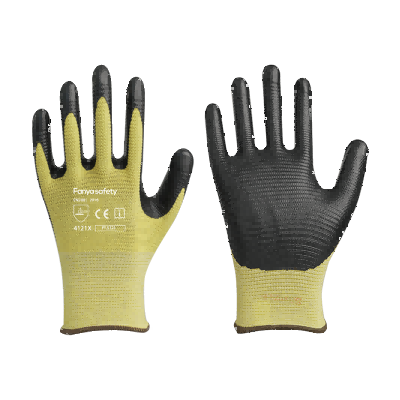
Nitrile gloves are made from a synthetic rubber compound that, while latex-free and highly resistant to chemicals and punctures, is not breathable. When worn for extended periods, the sealed environment inside the glove creates significant problems for skin health. Studies published in occupational dermatology literature show that healthcare workers who wear gloves for more than two hours per shift have a 30–40% higher rate of contact dermatitis compared to those who wear them briefly or intermittently.
The main issues caused by prolonged nitrile glove wear without any liner include:
Choosing the right liner — or using the right skincare strategy without a liner — directly addresses these issues and allows you to wear nitrile gloves safely for longer periods.
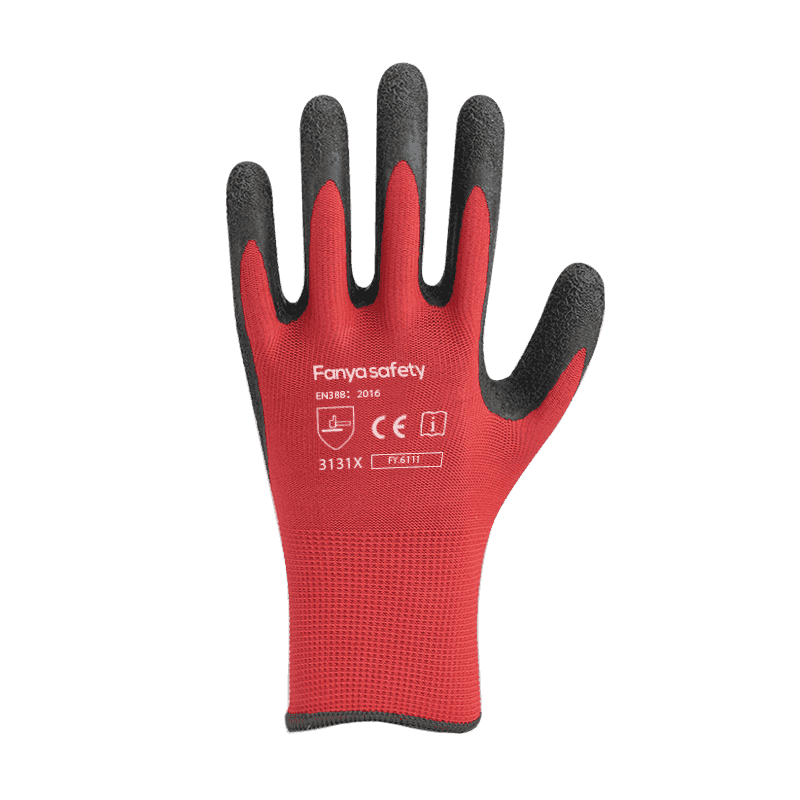
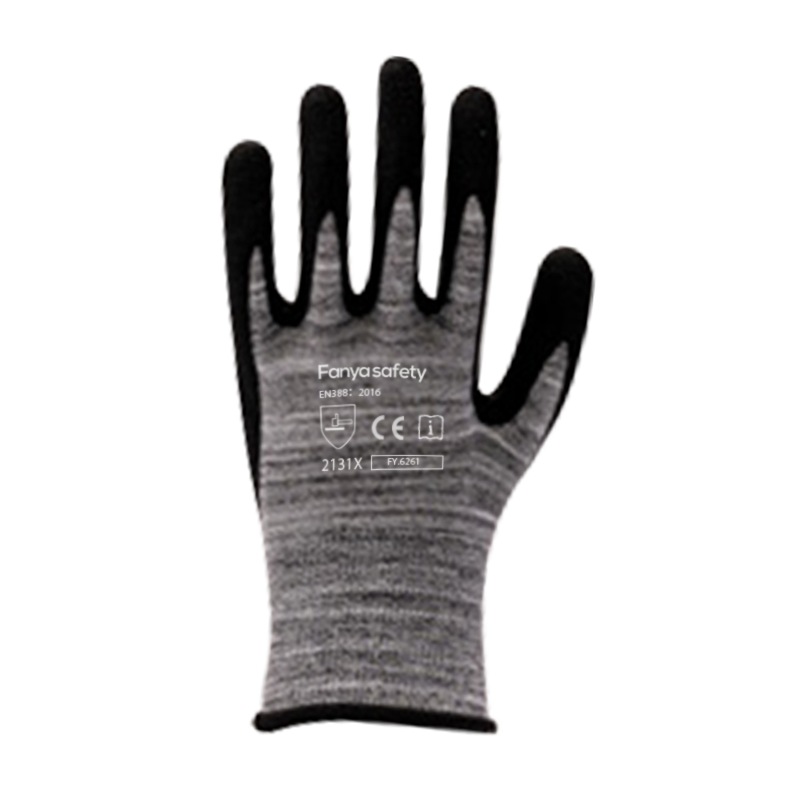
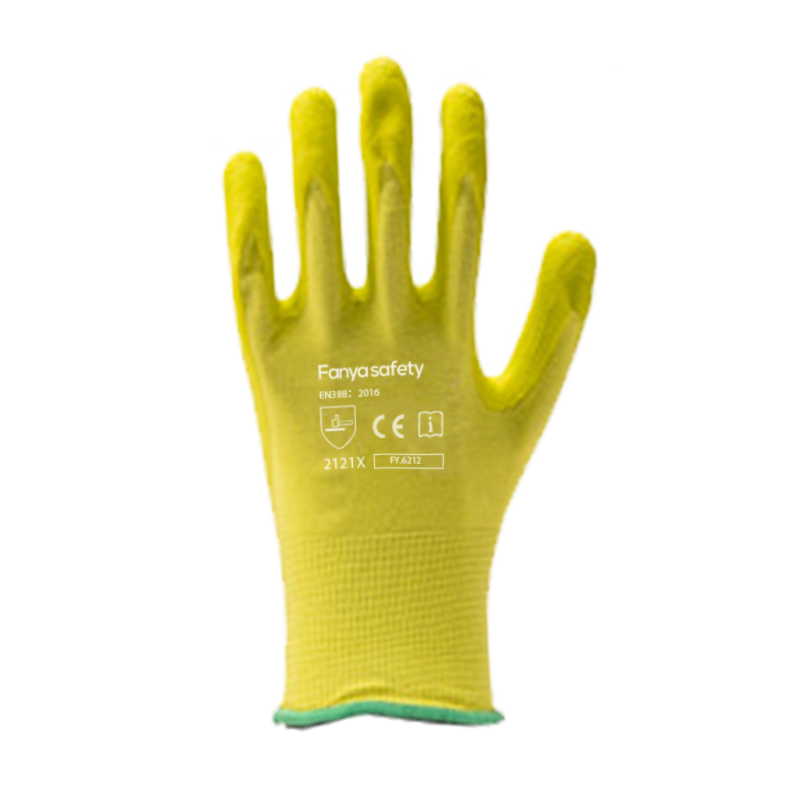
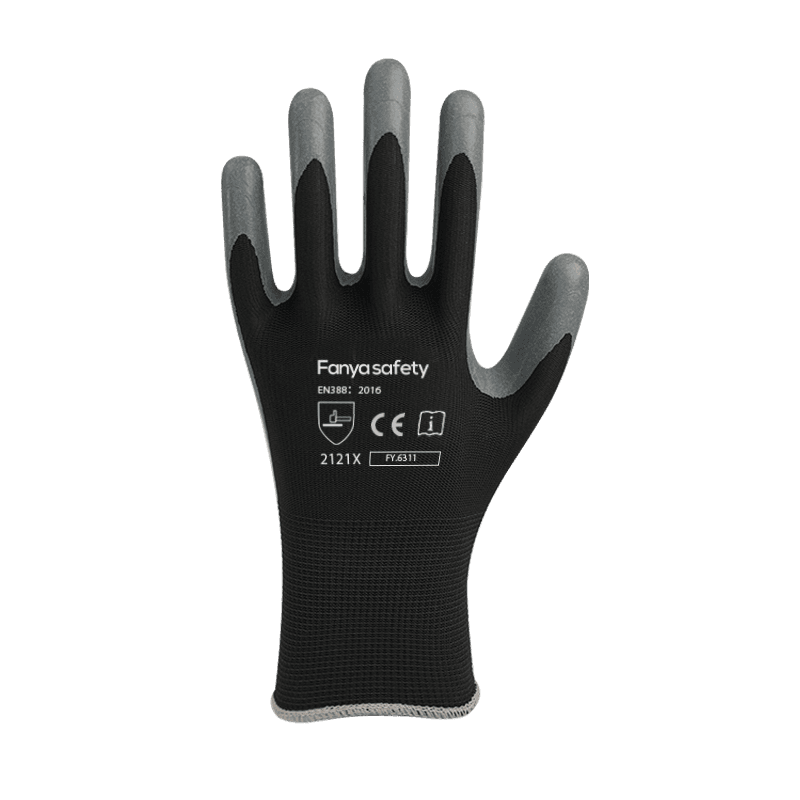
Thin cotton glove liners — sometimes sold as "inspection gloves" or "cotton inner gloves" — are the go-to solution for most people who need to wear nitrile gloves for extended shifts. They are widely available, inexpensive, washable, and effective for a broad range of situations.
Cotton is a natural fiber with good moisture-wicking properties. When worn as a glove liner, it pulls sweat away from the skin surface and allows it to be absorbed into the fabric rather than pooling against your skin. This keeps the microenvironment inside your nitrile glove significantly drier, reducing all the moisture-related problems described above.
Cotton liners also act as a physical buffer between your skin and the glove material, reducing friction. For workers who regularly develop blisters at the fingertips or knuckles, this alone can be a game-changer.
Cotton liners come in several thicknesses. For use under nitrile gloves, you should always choose the thinnest available gauge — typically labeled as "lightweight" or "7-gauge." Thicker liners will make it impossible to size your nitrile gloves properly and will significantly reduce tactile sensitivity, which is often critical in medical, laboratory, or precision work settings.
You may need to size up one full size in your nitrile gloves to accommodate even a thin liner. For example, if you normally wear a medium nitrile glove, you might find a large fits better once you're wearing a liner. It's worth testing this before committing to a large purchase of gloves in a new size.
For people who sweat heavily or work in particularly warm environments, standard cotton liners may not be sufficient. Cotton absorbs moisture but doesn't move it away from the skin very efficiently — once it's saturated, it stays wet. In these situations, moisture-wicking fabrics perform significantly better.
Bamboo-derived viscose (often marketed as bamboo rayon) is naturally antimicrobial and has excellent moisture management properties. Bamboo glove liners tend to feel softer than cotton, generate less static, and are increasingly available in thin gauges suitable for wearing under nitrile gloves. Some dermatologists specifically recommend bamboo liners for patients with contact dermatitis or eczema because the material is less likely to irritate already-compromised skin.
Liners made from polyester, nylon, or polypropylene moisture-wicking materials are common in athletic gear and are now available in glove form. These fabrics actively pull moisture away from the skin surface and allow it to evaporate. Under a sealed nitrile glove, full evaporation isn't possible, but moving moisture away from the skin surface still keeps the skin drier and more comfortable than cotton in high-sweat situations.
Note: Some synthetic liners contain accelerants or finishing chemicals that could cause their own skin reactions in sensitive individuals. If you have known skin sensitivities, test any new liner material on a small area of skin before committing to full-shift wear.
In some professional settings — particularly surgical environments or situations requiring maximum dexterity and tactile sensitivity — wearing a liner under nitrile gloves is not feasible. In these cases, the best substitute is a skin-protective barrier cream applied before gloving.
Barrier creams work by forming a protective film on the skin surface that reduces the penetration of irritants and reduces transepidermal water loss. When applied before putting on nitrile gloves, they can substantially reduce the risk of irritant contact dermatitis even during extended wear. Research in the British Journal of Dermatology found that regular use of an appropriate barrier cream reduced occupational hand dermatitis incidence by up to 24% compared to no cream use.
It is equally important — or even more so — to apply a good emollient moisturizer after removing nitrile gloves. The act of removing gloves strips away some of the skin's natural oils, and immediately moisturizing helps restore the skin barrier. Dermatologists generally recommend fragrance-free creams containing ingredients like ceramides, glycerin, or urea for this purpose.
Avoid petroleum-based products such as petroleum jelly or mineral oil-heavy creams immediately before gloving. These can degrade nitrile material over time and compromise the protective integrity of the glove. Some studies have shown measurable degradation of nitrile gloves after prolonged contact with petroleum-based substances, which could create an unacceptable risk in medical or chemical-handling environments.
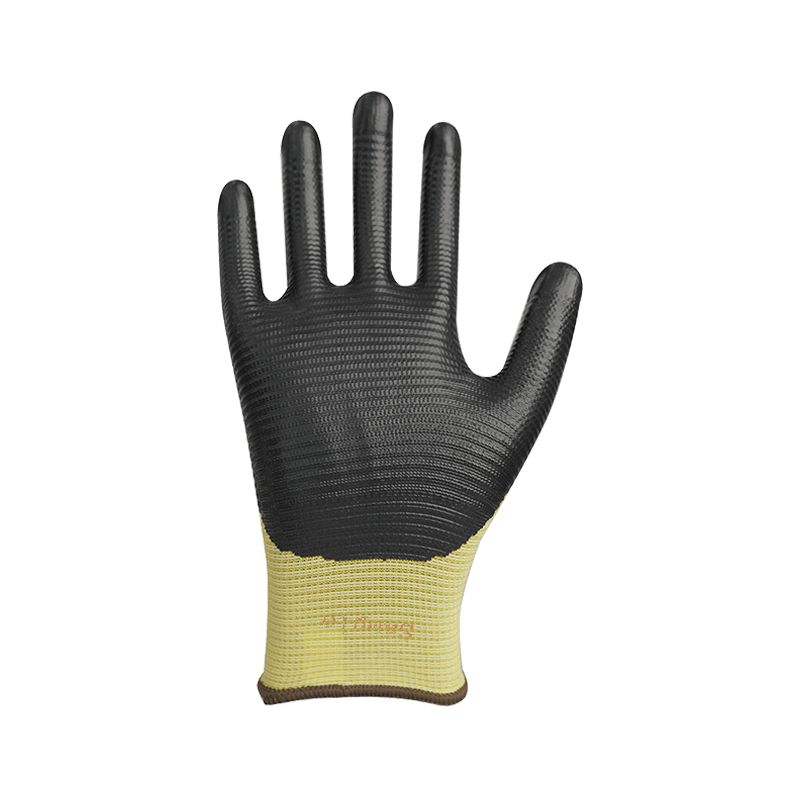
People with pre-existing skin conditions face a particular challenge with nitrile glove use. The sealed environment makes existing inflammation worse, and the mechanical friction of the glove material can trigger flares even when the hands look healthy at the start of a shift.
The combination of a prescription or over-the-counter emollient applied to clean, dry hands, followed by a thin cotton or bamboo liner, followed by the nitrile glove, is the standard recommendation from occupational dermatologists for workers with eczema who must wear gloves. This "wet wrap" adjacent approach keeps the skin hydrated while the liner protects against friction.
If you're experiencing an active flare, consult a dermatologist before continuing extended glove use. In some cases, using topical corticosteroids under a liner-glove combination (a true wet wrap technique) is medically appropriate, but this should be done under professional guidance.
Psoriasis plaques on the hands can be aggravated by both the occlusion of nitrile gloves and the friction they generate. Soft, seamless cotton liners are particularly helpful for people with hand psoriasis because they reduce direct glove-to-plaque contact. It's worth noting that seamless construction in a liner is important — seams can press directly against psoriatic plaques and worsen irritation.
Even without a diagnosed skin condition, some people simply find that their skin reacts poorly to prolonged nitrile glove wear. For these individuals, rotating between two pairs of gloves and changing them more frequently — every 30 to 45 minutes rather than wearing one pair for hours — combined with a liner and pre/post-glove moisturization, is usually enough to keep skin comfortable and healthy.
| Option | Best For | Not Ideal For | Dexterity Impact |
|---|---|---|---|
| Thin cotton liner | General extended wear, most workers | Surgical or ultra-precision tasks | Minimal if sized correctly |
| Bamboo liner | Eczema, sensitive skin, softest feel | Heavy industrial exposure | Minimal if sized correctly |
| Moisture-wicking synthetic liner | Hot environments, heavy sweating | Highly sensitive skin (may irritate) | Minimal if sized correctly |
| Barrier cream only | High-dexterity tasks, surgical use | Very prolonged wear without breaks | None |
| Emollient liner combo | Eczema, psoriasis, chronic dermatitis | Food handling (check food-safe status) | Low to moderate |
| Nothing (bare skin) | Short-duration tasks under 30 minutes | Extended wear, sensitive or compromised skin | None |
Choosing the right liner material is only part of the picture. How you manage your glove wear throughout a shift matters just as much. These practical steps make a real difference in skin health and comfort.
Wherever possible, remove nitrile gloves for five to ten minutes every one to two hours. Even with the best liner, the occlusive environment inside a sealed glove takes a toll on skin over time. Brief periods of exposure to air allow moisture to evaporate and give the skin barrier a chance to recover. Occupational health guidelines from several European countries recommend glove-free breaks of at least 10 minutes per hour during prolonged glove use.
Many people wash their hands between glove changes but put new gloves on before their hands are completely dry. Trapping moisture from handwashing under a new set of gloves — even with a liner — creates the same maceration problem as sweat. Take 30 to 60 seconds to thoroughly dry hands before donning a fresh pair of nitrile gloves and a clean liner.
A used liner that's been absorbing sweat for hours is not something you want to put back on your hands without washing. Reusing unwashed liners defeats the purpose — you're just introducing yesterday's bacteria and moisture back against your skin. Cotton and bamboo liners are machine washable and dry quickly. Build washing them into your daily routine the same way you'd wash a work uniform.
Having three to five pairs of liners on hand at work means you can change to a fresh liner mid-shift if needed. This is especially useful in hot environments or during unusually physical work days. Thin cotton inspection gloves are inexpensive enough — typically available in packs of 12 or more for under $15 — that this approach is economically feasible for most workers.
This bears repeating because it's one of the most common mistakes people make. A nitrile glove that's too tight with a liner will restrict circulation, increase fatigue, and actually worsen friction by keeping the glove pressed firmly against the liner fabric under pressure. When you add a liner, size up one size in your nitrile gloves and check that your fingers can move freely and that you can make a fist without the glove pulling uncomfortably.
The type of liner — or whether you can use one at all — depends significantly on your industry and the regulations that govern it. What works for a laboratory technician may not be permissible for a food handler.
In most clinical environments, cotton liners under nitrile exam gloves are acceptable for general patient care tasks. However, for sterile procedures, the outer sterile nitrile glove must maintain its sterility certification — meaning anything worn underneath should be confirmed as compatible with the sterility protocol. Many surgical teams use double-gloving with two nitrile gloves rather than a fabric liner as their protection upgrade strategy.
Food safety regulations in many jurisdictions are strict about what materials can contact food, even indirectly. If you're using a liner under nitrile gloves in a food environment, verify that the liner material is food-safe — most plain white cotton inspection gloves are, but colored or treated liners may not be. Check with your food safety officer or regulatory body before introducing liners in a food production setting.
In environments where nitrile gloves are worn for chemical resistance, the liner serves a secondary protective purpose — if the outer glove is breached, the liner can slow the rate of skin contact with the chemical while you remove the glove and wash your hands. However, liners offer no meaningful chemical resistance on their own, and a breached outer nitrile glove should be treated as an exposure event regardless of what's worn underneath. Always follow your facility's chemical safety protocols.
Tattoo artists frequently wear nitrile gloves for entire sessions lasting several hours. Many use thin liner gloves to manage comfort. The key concern here is maintaining enough dexterity and tactile feedback to work accurately. Ultra-thin liners designed for fine-motor work, like those used in electronics assembly, may be a better fit than standard inspection gloves for this application.
It's worth noting the difference between powdered and powder-free nitrile gloves in the context of wearing liners, since the distinction affects donning ease and skin response.
Powdered nitrile gloves — once common but now largely banned in medical settings in the US and EU — used cornstarch powder to make donning easier. The powder itself can cause skin irritation and respiratory issues, which is one reason regulators moved away from them. The FDA banned powdered gloves in medical settings in 2017. Most nitrile gloves sold today are powder-free.
Powder-free nitrile gloves can be slightly more difficult to don, especially over a liner. Some users lightly dust the inside of the glove with a small amount of unscented talcum powder or use specially designed donning aids (sprays designed for this purpose) when wearing liners to make the process easier. Do not use body lotion as a donning aid — it can compromise the glove material and reduce its effectiveness.
Even with the best liner and skin-care routine, some people develop significant skin problems from regular nitrile glove wear. Knowing when the issue needs professional medical attention is important.
Seek a medical evaluation if you notice:
An occupational dermatologist can perform patch testing to determine whether your reaction is to the nitrile material itself, to glove accelerants (chemicals used in the manufacturing process like thiurams or dithiocarbamates, which remain common causes of glove-related allergy even in nitrile products), or to something else entirely. Accelerant-free nitrile gloves are now available and are worth trying if patch testing indicates an accelerant allergy.
القفازات الوردية: الأنواع والمواد ودليل الشراء لكل استخدام
ما الذي يدمر قفازات النتريل؟ المواد الكيميائية والحرارة والمزيد
لن يتم نشر عنوان بريدك الإلكتروني. الحقول المطلوبة محددة *
يمكنك التواصل معي باستخدام هذا النموذج.